A New Chapter in Nigerian Politics
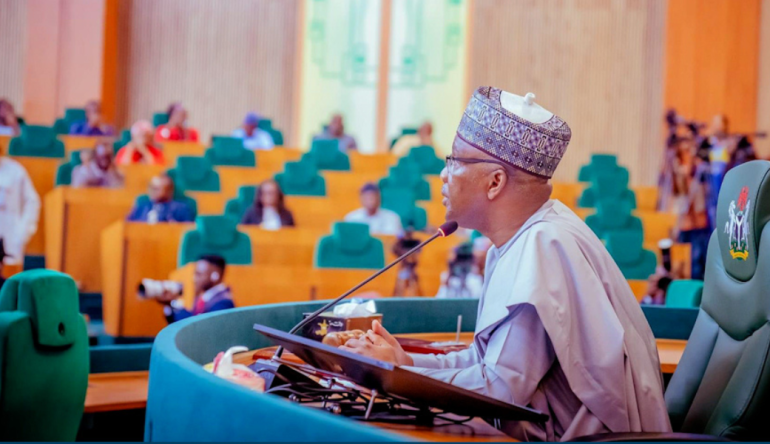
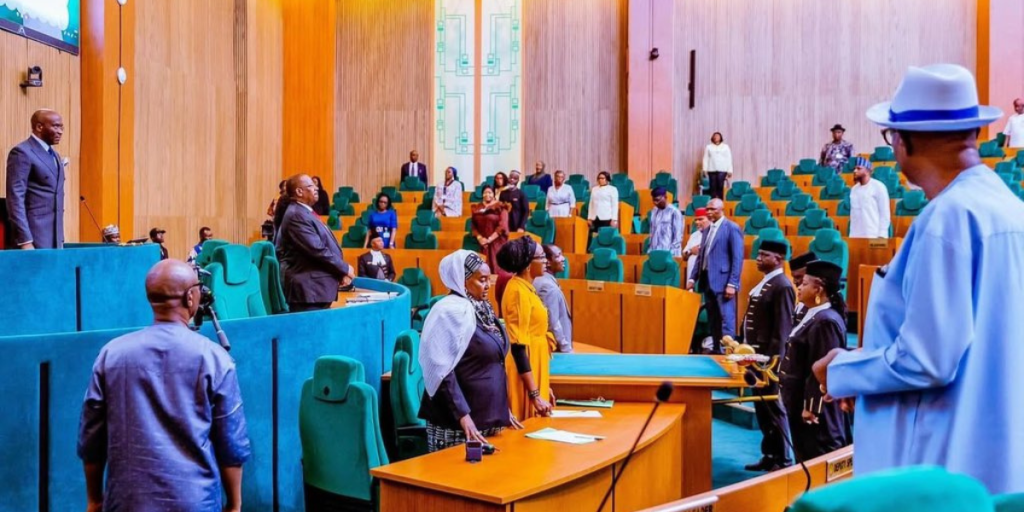
Nigeria’s political environment is continuously evolving. The recent second reading of the 60-year age limit bill for presidential and gubernatorial candidates has stirred conversations across the nation. This legislative proposal, championed in the House Of Representative, is designed to redefine the age boundaries for top political offices in Nigeria, aiming to usher in a new era of leadership. Alongside this political transformation, media outlets such as Mega 89.1 FM Warri are playing a critical role in informing the public and fostering debates on these constitutional reforms.
In a country where radio remains a primary source of news and entertainment, platforms such as Mega 89.1fm is bridging the gap between political developments and the everyday lives of citizens. With the rise of digital media, listeners can now Listen to Mega 89.1 Fm via Online radio platforms Such as radio garden and even Download the radio app for on-the-go updates.
The Legislative Journey: Understanding the 60-Year Age Limit Bill
Historical Context and the Role of the House Of Representative
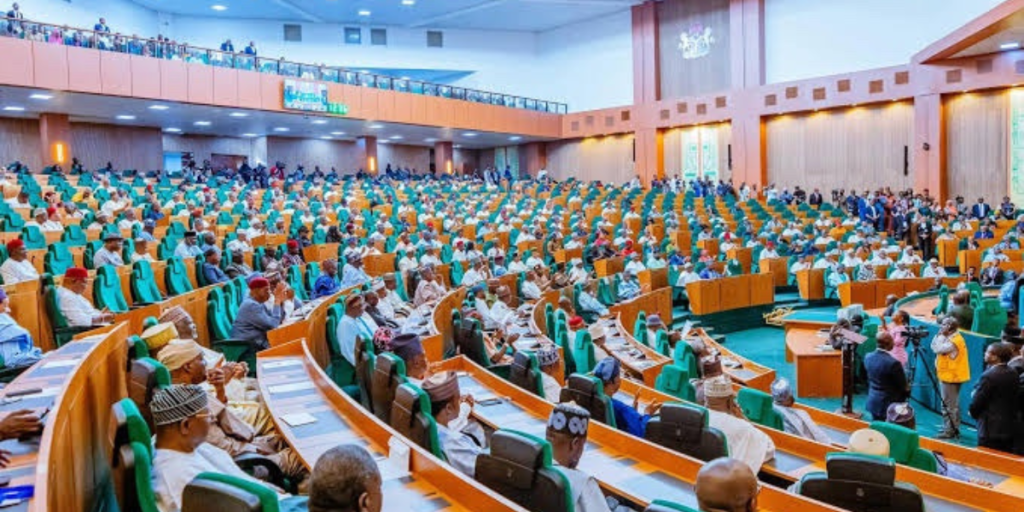
The debate over age limits in politics is not new in Nigeria. Historically, there have been calls to modernize the political landscape by introducing measures that ensure leadership vitality. The current proposal from the House Of Representative aims to set a maximum age limit of 60 years for presidential and gubernatorial candidates. Proponents argue that this measure will inject fresh ideas and energy into political leadership, while critics worry it may marginalize experienced politicians and disrupt established political dynamics.
This bill has been the subject of vigorous debates in legislative chambers and media platforms alike. In the corridors of power in Abuja, lawmakers have weighed the benefits of youthful leadership against the potential loss of seasoned expertise. The House Of Representative is at the heart of these debates, where policy decisions and legislative reforms are critically examined before becoming law.
The Rationale Behind the Age Limit
Supporters of the bill believe that imposing a 60-year age limit will create a level playing field for younger leaders. They argue that younger candidates are more likely to embrace innovation, technology, and progressive ideas that can drive national development. This perspective is grounded in the belief that Nigeria’s future depends on leaders who can resonate with a dynamic, youthful populace.
Conversely, opponents argue that experience is invaluable in governance. They caution that restricting the age of leadership might inadvertently disqualify capable individuals who have dedicated decades to public service. These contrasting viewpoints have spurred a lively discourse not only in political circles but also on various media platforms, including Mega 89.1 fm warri broadcasts that regularly cover such pivotal issues.
The Debate in the House: Key Moments and Arguments
During the second reading, several members of the House Of Representative expressed their views passionately. Some highlighted the need for a generational shift in leadership, while others emphasized the importance of retaining institutional memory and experience. The debates were not only a reflection of ideological differences but also an illustration of Nigeria’s broader struggle to balance tradition with modernity.
Lawmakers cited various examples from global democracies where age limits for leaders have been implemented to foster innovation. They compared the current scenario to situations in other countries where similar measures have rejuvenated political systems and encouraged higher voter engagement among the youth. This comparative analysis helped shape the narrative around the bill and underscored its potential impact on Nigeria’s political future.
The Impact of the 60-Year Age Limit Bill on Nigerian Politics
Promoting Youthful Leadership and Innovation
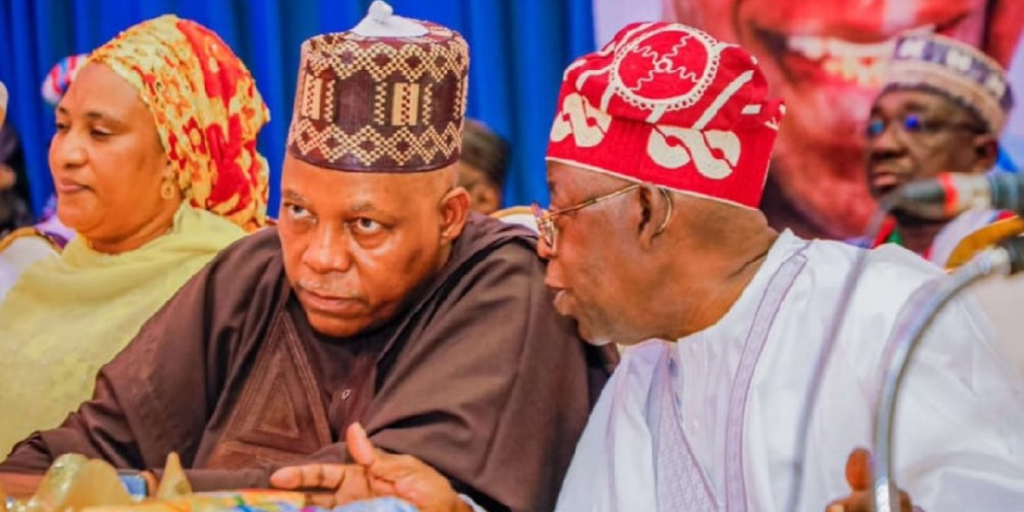
The primary argument in favor of the bill is its potential to promote youthful leadership. By setting an upper age limit, the bill is designed to create opportunities for a new generation of leaders to emerge. Advocates believe that younger leaders are more likely to be in tune with global trends, technological advancements, and innovative policy solutions that are essential in the 21st century.
This change is expected to have far-reaching implications for Nigeria’s political culture. With the infusion of fresh ideas and perspectives, there is a strong possibility that the country could witness a significant transformation in policy-making and governance. The emphasis on a youthful leadership paradigm is not just a reaction to current political dynamics but also a strategic move to future-proof Nigeria’s political system.
Balancing Experience and Modernity
While the push for youthful leadership is strong, there is a concurrent need to balance this with the value of experience. Critics of the age limit bill argue that seasoned politicians bring a wealth of knowledge, diplomatic acumen, and historical perspective to governance. They caution that a strict age limit might inadvertently sideline individuals who, despite their age, have a proven track record of effective leadership.
The debate, therefore, centers on finding a middle ground that does not sacrifice the benefits of experience for the sake of youthfulness. Lawmakers and political analysts are engaged in discussions on how to implement the bill in a manner that both encourages new leadership and respects the contributions of experienced public servants.
Economic and Social Implications
Implementing a 60-year age limit for top political offices could have significant economic and social ramifications. Economically, younger leaders might be more adept at leveraging technology and innovation to drive growth, potentially opening new avenues for economic development. Socially, this shift could lead to a more engaged and dynamic political culture, as younger citizens see themselves represented in the highest offices of government.
However, there are also concerns about potential disruptions. The transition to younger leadership may result in a temporary loss of continuity in governance, which could affect policy implementation and international relations. These concerns have sparked extensive debates among political analysts, with many suggesting that a phased or flexible approach to the age limit might be the most pragmatic solution.
In-Depth Analysis of the 60-Year Age Limit Bill
Key Provisions of the Bill
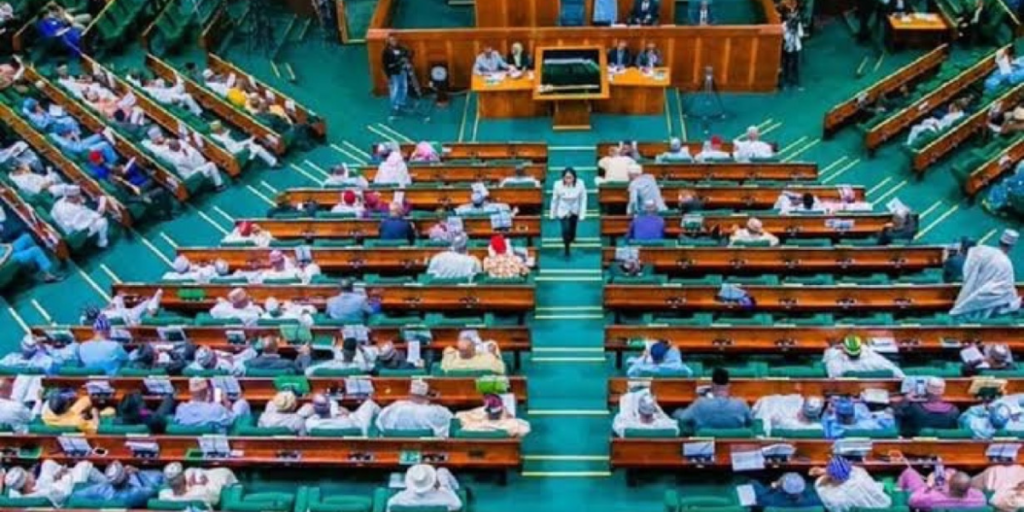
The 60-year age limit bill, as proposed in the House Of Representative, outlines several critical provisions designed to modernize Nigeria’s political leadership. Among these are:
- Age Restriction: The bill mandates that presidential and gubernatorial candidates must be below the age of 60. This is intended to ensure that the country is led by individuals who are potentially more in tune with contemporary challenges and innovations.
- Transitional Provisions: Recognizing the importance of a smooth transition, the bill includes transitional arrangements for candidates who may be close to the age threshold. This is designed to prevent abrupt disruptions in the political landscape.
- Review Mechanisms: To accommodate future demographic and social changes, the bill also provides for periodic reviews of the age limit. This ensures that the regulation remains relevant and responsive to evolving societal needs.
These provisions have been carefully debated in the legislative chambers, with lawmakers considering both the potential benefits and the risks associated with such a fundamental change in Nigeria’s political framework.
Comparative Perspectives: Global Trends and Best Practices
Across the globe, several democracies have experimented with similar age limit regulations. Proponents of the bill often cite examples from other countries where age limits have been used as a tool to promote political renewal. For example, some European nations have implemented age restrictions in certain elective offices to ensure that the leadership remains vibrant and innovative. These international comparisons have provided valuable insights for Nigerian lawmakers, reinforcing the argument that a generational shift in leadership can lead to a more dynamic and responsive government.
Moreover, global best practices in governance suggest that a balanced approach—one that respects experience while encouraging youth—can yield positive results. This perspective has informed the debates in the House Of Representative, where policymakers are keen to adopt measures that not only modernize leadership but also maintain continuity and stability in governance.
Socio-Political Implications for Nigeria
The potential impact of the 60-year age limit bill on Nigeria’s political, social, and economic fabric is profound. On the political front, the bill is expected to reshape the candidate pool, encouraging more young aspirants to contest elections. This could lead to a significant shift in policy priorities, with increased emphasis on technology, education, and infrastructure—areas that are critical for Nigeria’s long-term development.
Socially, the bill may inspire greater political engagement among Nigeria’s youth. By signaling a commitment to embracing change, the government can foster a sense of optimism and inclusiveness. This, in turn, may lead to higher voter turnout and a more dynamic political culture. Economically, the influx of younger leaders could translate into innovative policy solutions that drive economic growth and address long-standing developmental challenges.
The Future of Nigerian Leadership: Opportunities and Challenges
Opportunities for Political Renewal
The passage of the 60-year age limit bill could mark the beginning of a new era in Nigerian politics. One of the most significant opportunities lies in the potential for political renewal. By opening up the field to younger candidates, the bill may encourage a more vibrant and competitive political environment. This could lead to the emergence of leaders who are more in tune with the needs and aspirations of Nigeria’s rapidly growing youth population.
Moreover, the focus on youthful leadership may catalyze the adoption of innovative policy solutions that address long-standing developmental challenges. From technological innovations to progressive economic reforms, a new generation of leaders might bring fresh ideas that could transform Nigeria’s socio-economic landscape.
Challenges in Implementation
Despite the potential benefits, the implementation of the age limit bill is not without its challenges. One of the primary concerns is the risk of marginalizing experienced politicians who have dedicated their lives to public service. Such a move could lead to a loss of institutional memory and expertise, which are crucial for effective governance.
Additionally, there may be unforeseen legal and constitutional challenges as the bill is subjected to judicial review. Critics argue that any drastic alteration of the age criteria must be handled with caution to avoid potential conflicts with existing constitutional provisions. As debates continue, lawmakers and legal experts are closely monitoring the situation to ensure that any reforms are both effective and constitutionally sound.
The Role of Media in Navigating Challenges
In times of significant political change, the media plays a vital role in shaping public perception and ensuring accountability. In Nigeria, radio stations from mainstream outlets like Mega 89.1 FM Warri to communities will be instrumental in providing balanced coverage of the challenges and opportunities presented by the bill. These platforms serve as a check on power, offering diverse perspectives and fostering informed debate among the citizenry.
With the increasing availability of Online radio, citizens have unprecedented access to real-time information. This digital transformation not only enhances transparency but also empowers the public to participate actively in the democratic process. As the nation navigates these challenges, robust media coverage will be key to ensuring that reforms are implemented in a manner that benefits all Nigerians.
A New Era in Nigerian Politics
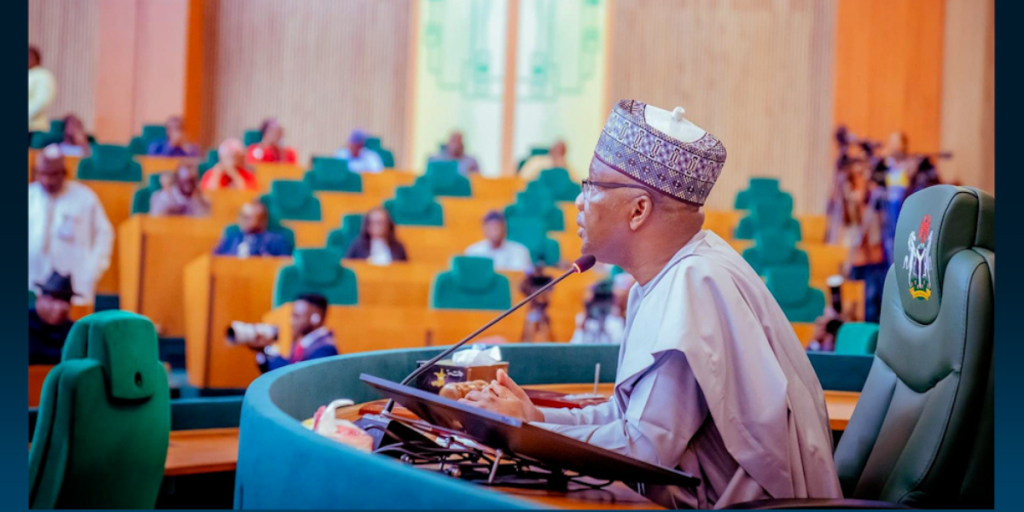
As Nigeria stands at the crossroads of political transformation, the 60-year age limit bill represents more than just a legislative reform—it is a vision for a more dynamic, responsive, and inclusive political future. The House Of Representative is poised to set a new standard for leadership, one that is defined by the synergy between youthful energy and seasoned experience.