In recent weeks, Nigeria’s southern heartland has once again been thrust into the spotlight due to a violent episode that has shaken communities in Edo State. As security agencies intensify their operations and political leaders promise accountability, this update on the Uromi and Fulani Hunters crisis provides an in‐depth look at the events, investigations, and broader implications for the region. This comprehensive report is brought to you by Mega 89.1fm News Blog, your best news source for detailed, factual, and analytical coverage on Nigeria’s most pressing security issues.
On a fateful day in Uromi, a town in Edo State, a mob attack led to the lynching of 16 northern travellers alleged hunters bearing arms and suspected of criminal activities. The incident, which unfolded on the Uromi/Obajana Expressway, has not only heightened tensions in the region but also ignited debates about extrajudicial killings, ethnic profiling, and the erosion of state authority in protecting its citizens. With the Department of State Services (DSS) arresting key suspects, questions now abound: Who are the Uromi and Fulani Hunters, and how has this episode reflected broader security challenges across Nigeria?
This article provides an extensive analysis of the incident and its aftermath, drawing on multiple sources and eyewitness accounts. It also explores the historical context of mob justice in Nigeria, the controversial role of vigilante groups, and the socio-political environment that has allowed such tragedies to occur.
The History of Mob Justice in Nigeria
Nigeria has, over the past decade, witnessed a disturbing rise in incidents of mob justice. When state security agencies struggle to provide timely intervention or when communities feel abandoned by official structures, many resort to extrajudicial measures. In numerous instances, vigilante groups—formed with the intention of safeguarding communities—have devolved into perpetrators of brutal violence.
In Uromi, the latest incident is a grim reminder of this pattern. The victims, reportedly northern travellers believed to be hunters, were targeted based solely on suspicions that they were involved in criminal activities such as kidnapping. Such mob actions are fueled by deep-seated mistrust and long-standing inter-ethnic tensions, particularly between communities of the north and south.
Who Are the Fulani Hunters?
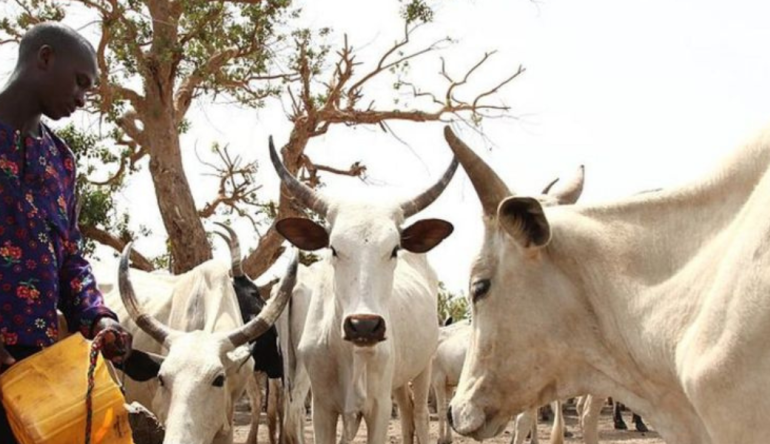
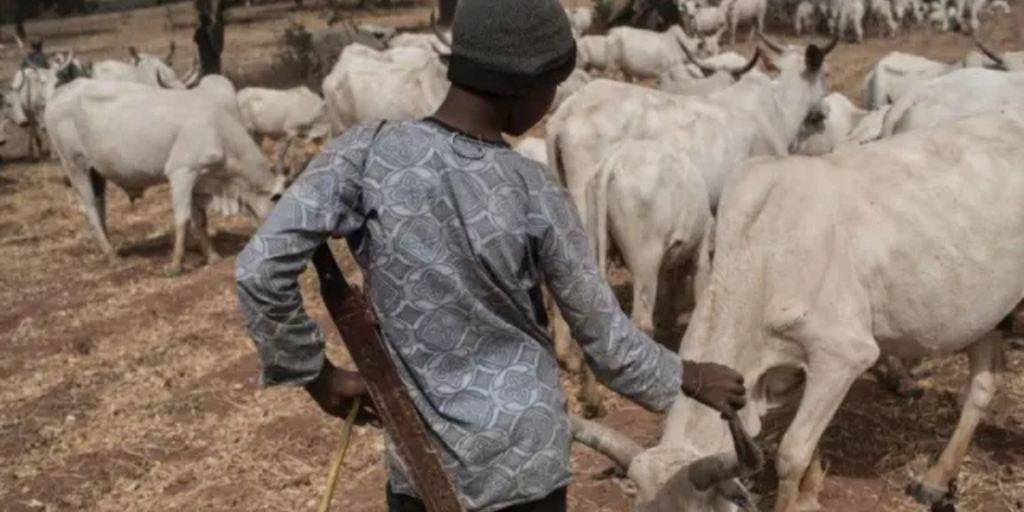
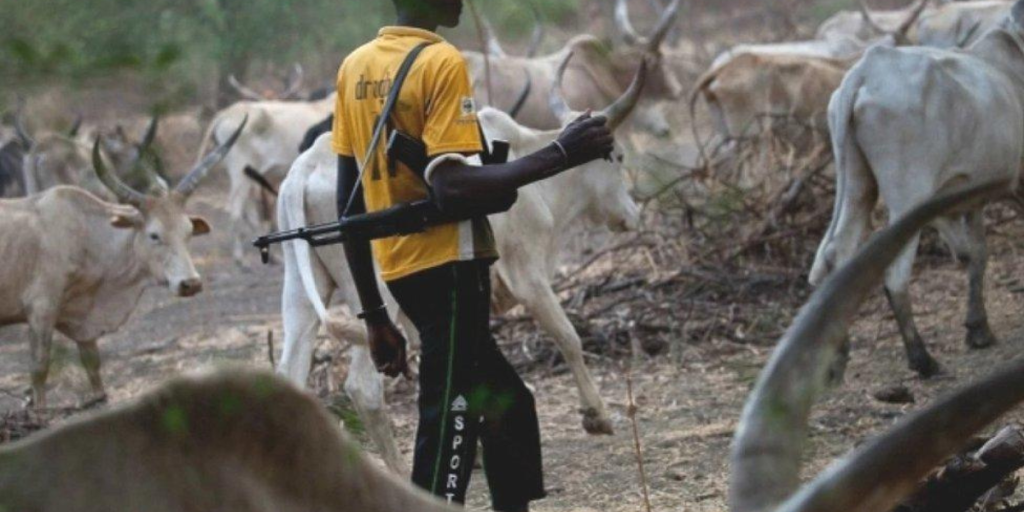
The term “Fulani Hunters” has become a subject of intense debate in recent times. Traditionally, many northern Nigerians, including Fulani communities, have engaged in hunting as part of their cultural heritage and subsistence practices. However, in the wake of rising criminal activities and the misuse of hunting licenses to justify possession of arms, the identity of these hunters has been thrown into question. Accusations have been made that some of these groups might be complicit in or even orchestrate criminal undertakings such as kidnappings and cattle rustling.
While the legal status of these hunters remains complex, the incident in Uromi has blurred the lines between lawful hunting activities and criminal conduct. The keywords “Uromi and Fulani Hunters” now resonate with communities seeking clarity and justice amid rampant violence.
The Incident Unfolded – A Step-by-Step Recap
The Day of the Attack
On the afternoon of March 27, as residents of Uromi went about their daily routines, a commercial truck carrying a group of travellers came to an abrupt halt on the Uromi/Obajana Expressway. Eyewitnesses recount that the vehicle—reportedly laden with hunting knives, locally made firearms, and palm oil—was intercepted by local security personnel and later by a mob of vigilantes. These vigilantes, whose identity remains contested, accused the group of being involved in kidnapping and other illicit activities.
According to multiple sources, including statements from police spokesperson Moses Yamu and reports from reputable news agencies, the attackers acted with brutal efficiency. In the ensuing chaos, survivors described how the mob forced the travellers to the ground and launched a vicious attack using sticks, tires, and other improvised weapons. Videos and photographs circulating on social media showed scenes of chaos and brutality—a testament to the unchecked power of mob justice.
Eyewitness Accounts and Survivor Testimonies
Survivors of the incident have spoken out about their harrowing experiences. One such account comes from Dayabu Yahaya, a resident of Kano State who was travelling with the group. “They ordered everyone to get down and then started beating us relentlessly,” he recalled. “We had nothing incriminating, just our hunting tools and some personal belongings. It was as if our identity alone sealed our fate.”
Another survivor, Mustapha Alhassan from Katsina State, described the terror that ensued: “After the mob stopped our vehicle, there was no interrogation—just a ruthless beating. I was lucky to escape, and I owe my survival to the timely help of some strangers on the run.”
These personal testimonies have provided crucial insights into the modus operandi of the attackers, suggesting that the mob’s actions were not the result of a spontaneous outburst but rather a premeditated response fueled by communal tensions and long-held suspicions.
The Government and Law Enforcement Response
Swift Action by Security Agencies
In the wake of the attack, the Department of State Services (DSS) swiftly moved in, arresting two principal suspects who were believed to have orchestrated or facilitated the mob’s actions. Additional arrests were made as law enforcement agencies expanded their investigation. According to a statement from Edo State Governor Monday Okpebholo, a total of 14 suspects have been detained, and efforts are underway to track down any remaining culprits.
Governor Okpebholo, during a condolence visit to Kano State, emphasized that “nobody has the right to take another man’s life” and vowed that those responsible would face the full force of the law. The police, meanwhile, have launched a full-scale investigation. Their efforts include examining the vehicle used by the travellers, verifying the authenticity of the hunting licenses, and establishing whether the group was indeed engaged in any criminal activity or if they were unjustly targeted based on their identity.
Arrests and the Controversial Role of CP Ibadin
A notable development in the investigation came with the arrest of the suspended State Corps Commander, CP Friday Ibadin, as reported by AllAfrica. Ibadin, a native of Uromi, was accused of having prior knowledge of the illegal activities of vigilante groups in the area. His alleged inaction, or worse, complicity, has raised serious questions about the accountability of state security officers. Governor Okpebholo’s decision to suspend Ibadin—and subsequent DSS action—reflects a broader governmental attempt to restore public trust and enforce the rule of law.
This arrest has stirred further debate on whether certain security personnel might be indirectly fueling the cycle of violence by failing to rein in rogue groups. For many Nigerians, the arrest of Ibadin underscores the urgent need for comprehensive reforms within the state security apparatus.
Ethnic Tensions and the Role of Vigilante Justice
The Impact of Ethnic Profiling
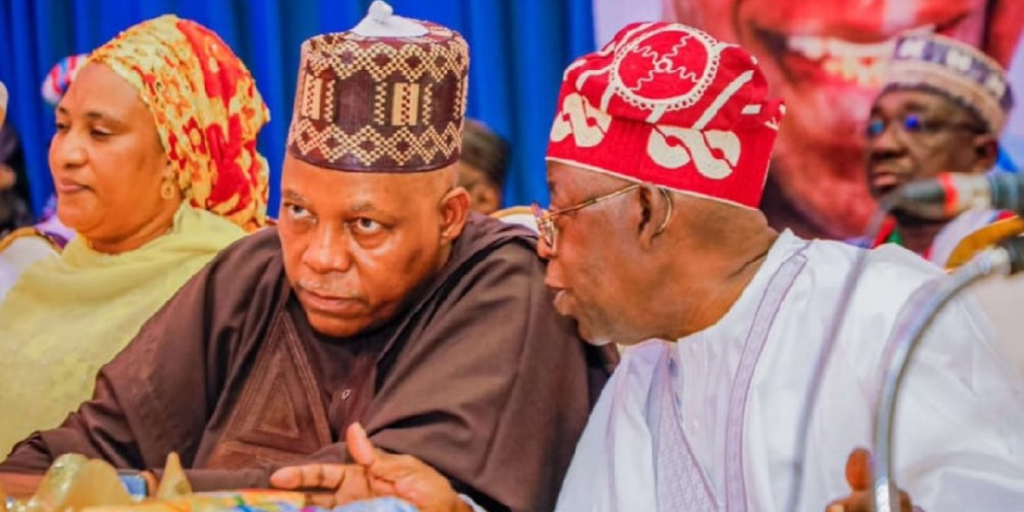
One of the most troubling dimensions of the Uromi incident is the role that ethnic profiling played in triggering the violence. Reports suggest that the victims, identified as northern Nigerian travellers and hunters, were primarily targeted because of their perceived ethnicity and association with Fulani herders. In Nigeria’s complex socio-political landscape, tensions between different ethnic groups have frequently escalated into violence. The notion that certain groups are inherently predisposed to criminality has been exploited by vigilante groups to justify brutal actions.
Amnesty International and other human rights organizations have previously condemned such practices. The organization’s recent report highlighted that mob violence has led to the deaths of hundreds of Nigerians, with a disproportionate number of northern travellers falling victim to lynching and extrajudicial killings. In this context, the Uromi incident is not an isolated occurrence but part of a larger, deeply entrenched problem.
Vigilante Groups: Protector or Perpetrator?
Vigilante groups in Nigeria were originally established as a community response to the perceived inefficacy of state security. Over time, however, the lack of oversight and the escalation of communal mistrust have transformed these groups into agents of mob justice. Their actions—while sometimes celebrated as a form of “grassroots policing”—often cross the legal and moral boundaries that define a just society.
In Uromi, the vigilantes did not attempt to verify the identity or intentions of the travellers. Instead, they relied on preconceived notions and hearsay, leading to a fatal outcome. This incident raises critical questions about the regulation of such groups. How can communities be protected from criminal elements while ensuring that self-help measures do not devolve into lawlessness? The answer lies in a reformed and integrated security strategy that bridges the gap between state agencies and community-based initiatives.
The Complex Identity of the Uromi and Fulani Hunters
Legal Versus Illegal Hunting Practices
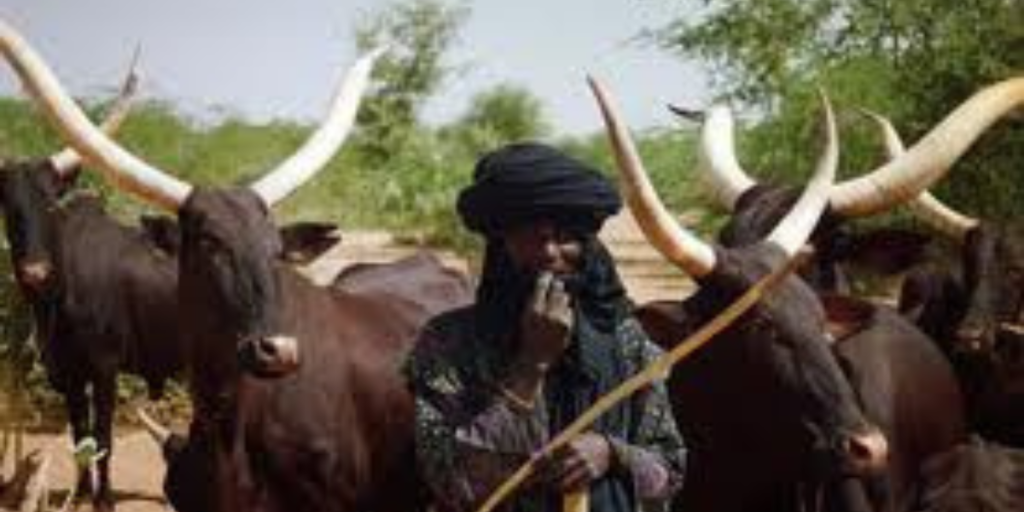
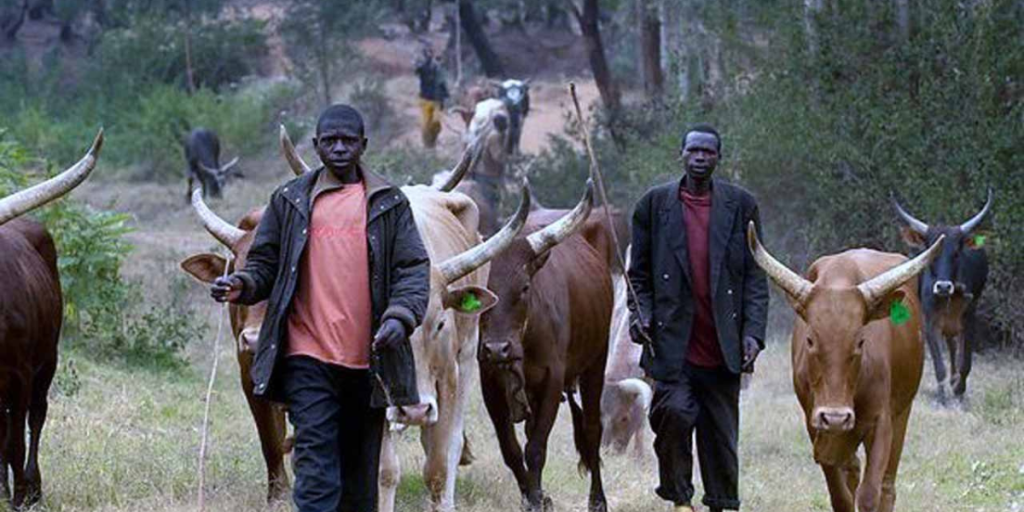
The controversy surrounding the “Uromi and Fulani Hunters” centers on the fine line between traditional hunting practices and illegal armed activities. In many parts of northern Nigeria, hunting is a long-standing tradition deeply embedded in the culture and lifestyle of communities such as the Fulani. Licensed hunters play a role not only in subsistence but also in controlling wildlife populations. However, in recent years, reports have emerged of hunters carrying an unusually high number of arms, sometimes without proper documentation, and allegedly engaging in criminal activities including kidnappings.
In Uromi, the group targeted by the mob was reportedly in possession of hunting knives and locally fabricated firearms. While some of these weapons may have been legally acquired, the sheer quantity and the circumstances of their possession raised suspicions among the local residents. Critics argue that such practices not only endanger public safety but also blur the distinction between lawful hunting and organized criminality.
Historical and Socio-Economic Factors
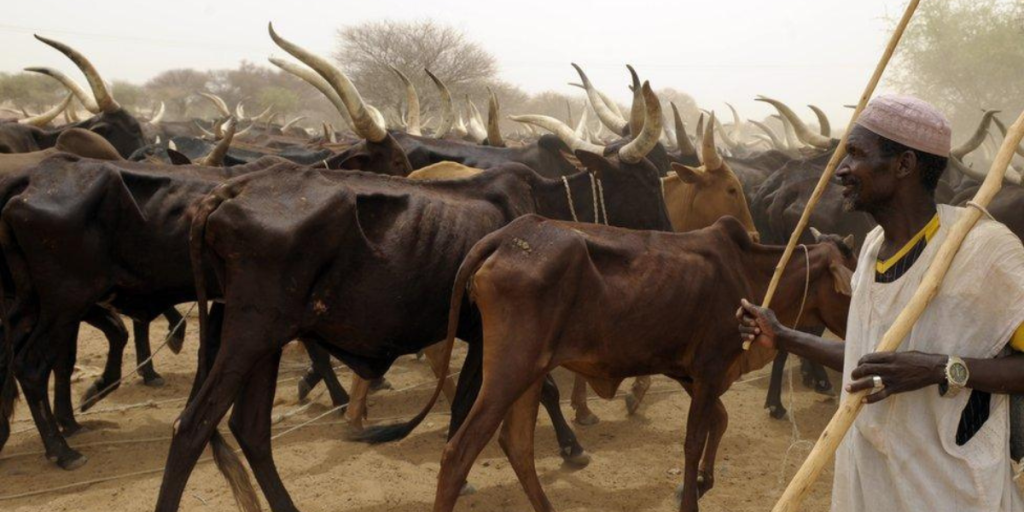
The evolution of this issue is rooted in historical socio-economic disparities. Many Fulani communities and northern groups have long felt marginalized by the state, with economic hardships and a perceived lack of opportunity fueling resentment. This environment can sometimes lead to the misuse of traditional practices for criminal gain. In such cases, the label “Fulani Hunters” becomes a double-edged sword—a term that simultaneously honors cultural heritage and stigmatizes a segment of the population.
For the best news blog readers at Mega 89.1fm, understanding this complex interplay of tradition, economics, and security is crucial. The narrative surrounding the Uromi incident is not just about mob violence; it is a window into the broader issues that are challenging Nigeria’s quest for stability and development.
Political and Administrative Reactions
Statements by Key Political Leaders
In the aftermath of the incident, high-ranking officials have spoken forcefully against the use of mob justice. Edo State Governor Monday Okpebholo was one of the first to issue a public statement, condemning the killing and promising that all culprits would be brought to justice. “No one is above the law, and the state will not tolerate such extrajudicial measures,” he declared during his visit to the affected communities.
President Bola Tinubu has also weighed in, emphasizing that jungle justice has no place in a civilized society. His administration has called for a thorough investigation into the incident, with directives for improved oversight of both state security and vigilante activities.
The Role of Security Agencies
In addition to political statements, security agencies have been mobilized to restore order and reassure the public. The DSS’s swift arrest of the two principal suspects—and the later detention of additional individuals, including the controversial figure CP Ibadin—signals an effort to stem the tide of violence. These actions are part of a broader campaign to tighten security across Edo State and beyond, ensuring that communities are not left to fend for themselves against vigilantism.
However, these measures also underscore the challenges faced by Nigerian law enforcement. With widespread reports of mob violence, political interference, and lapses in accountability, the task of upholding law and order has become increasingly complex.
Community Reactions and the Social Impact
Voices from the Ground
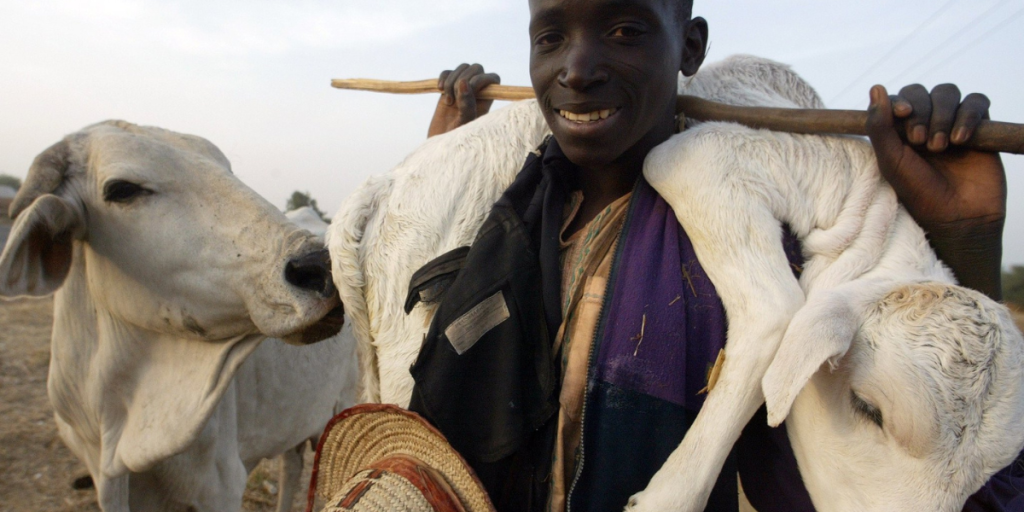
The reactions from local communities have been mixed, with many expressing shock and grief over the loss of life. Families of the victims have called for swift justice, while survivors recount their traumatic experiences in vivid detail. Social media has become a battleground for debates, with some users condemning the violence outright and others, in a worrying trend, justifying the actions based on long-held prejudices.
One particularly poignant account came from a survivor who managed to escape the brutal attack. “I still can’t believe we were targeted simply for who we are,” he lamented. Such voices highlight the urgent need for dialogue and reconciliation in a society that has been fractured along ethnic and regional lines.
The Ripple Effect on Inter-Ethnic Relations
The lynching incident has not only disrupted the lives of those directly involved but has also further strained relations between northern and southern Nigerians. Accusations of ethnic profiling and unfair targeting have become rallying cries for some communities, fueling fears that such incidents could escalate into broader communal conflicts.
This tension is particularly pronounced in areas where Fulani herders and local farming communities have a long history of disputes over land and resources. The Uromi incident serves as a stark reminder of how easily misperceptions and misinformation can ignite violence—an issue that demands comprehensive intervention from both state authorities and community leaders.
Policy Implications and Calls for Reform
Strengthening Legal and Regulatory Frameworks
The tragic events in Uromi have prompted urgent calls for reform. Legal experts and human rights advocates are urging the government to develop clear policies that regulate the activities of vigilante groups and ensure that any form of extrajudicial action is strictly curtailed. The goal is to bridge the gap between traditional community self-help mechanisms and formal law enforcement.
Suleiman Akano, a prominent legal practitioner, has argued that the Nigerian Constitution clearly delineates the roles of state security agencies. “Without robust regulatory frameworks, communities will continue to be tempted by the allure of mob justice,” he said. Akano stresses the importance of accountability, transparency, and the rule of law to prevent further erosion of public trust.
Integrating Community-Based Security Initiatives
Another critical area of reform is the integration of community-based security initiatives with formal police and military operations. While vigilante groups may have emerged in response to security gaps, their activities need to be monitored and regulated. Establishing channels for community participation in security matters—while ensuring strict oversight—could help reduce the frequency of such violent incidents.
Efforts to build bridges between community leaders, traditional authorities, and state security agencies have already begun in some parts of Nigeria. These initiatives aim to create alternative dispute resolution mechanisms that can serve as a first line of defense against criminal elements without resorting to violence.
Addressing Economic and Social Marginalization
The crisis surrounding the Uromi and Fulani Hunters also underscores deeper socio-economic issues. Many of the individuals involved, whether as legitimate hunters or as perpetrators of crime, come from communities that feel economically marginalized and politically disenfranchised. Addressing unemployment, improving infrastructure, and investing in education and social services are essential steps toward reducing the allure of criminality.
Policy reforms must therefore be holistic, tackling not only the immediate security concerns but also the underlying factors that contribute to the cycle of violence. For Mega 89.1fm News Blog readers, these discussions are crucial as they highlight the interconnected nature of security, governance, and development in Nigeria.
The Road Ahead – Future Prospects and Challenges
Restoring Trust in the Rule of Law
The long-term challenge for Nigerian society is to restore trust in its institutions. Incidents like the lynching in Uromi have a corrosive effect on public confidence, undermining the legitimacy of both the government and the legal system. Restoring this trust requires a multi-faceted approach: rigorous investigations into incidents of mob violence, transparent prosecutorial processes, and meaningful reforms in the security sector.
The recent arrests—including that of CP Ibadin—should be seen as a step in the right direction. However, lasting change will only come when systemic reforms address the root causes of such violence. The involvement of civil society, the media, and international partners can also play a role in holding state actors accountable and promoting human rights.
The Role of Media in Shaping Public Discourse
In an era marked by digital communication and rapid news dissemination, media outlets have a critical responsibility. As one of the best news blogs in the region, Mega 89.1fm News Blog is committed to providing balanced, evidence-based reporting that goes beyond sensationalism. Our in-depth coverage of the Uromi and Fulani Hunters update is an example of how rigorous journalism can shed light on complex issues while holding power to account.
Media coverage not only informs the public but also influences policy discussions. By consistently highlighting issues of mob justice, ethnic profiling, and state accountability, the media can help catalyze reforms that strengthen Nigeria’s democracy and social cohesion.
Looking to a Future of Reform and Reconciliation
The crisis in Uromi is emblematic of broader challenges facing Nigeria. Ethnic tensions, economic disparities, and the unchecked power of vigilante groups converge to create an environment where lawlessness can thrive. Yet, there is hope. With sustained political will, community engagement, and comprehensive reforms, it is possible to transform these challenges into opportunities for growth and reconciliation.
Government initiatives aimed at integrating community-based security, reforming the police and military, and addressing economic inequalities are steps in the right direction. For the citizens of Uromi and beyond, these measures represent the promise of a safer, more just society where disputes are resolved through dialogue and the rule of law rather than violent mob action.
Charting a Path Forward
The tragic events in Uromi serve as a wake-up call for all Nigerians. The incident, which has been widely reported by reputable outlets such as Punch, Reuters, and AllAfrica, underscores the urgent need for reform in Nigeria’s security and judicial systems. The Uromi and Fulani Hunters update is not merely a recounting of a violent episode—it is a clarion call for a reexamination of how communities, state security agencies, and the legal system interact in times of crisis.
For Mega 89.1fm News Blog, this article represents our commitment to providing the best news coverage on critical issues affecting Nigeria. By exploring the layers of this complex story—from the immediate brutality of mob justice to the underlying socio-economic and ethnic tensions—we aim to offer our readers a comprehensive perspective that informs and empowers.
Key takeaways include:
- Urgent Need for Reform: Incidents of mob violence and extrajudicial killings reveal systemic failures in Nigeria’s security apparatus. Reforms must focus on accountability, oversight, and the integration of community-based initiatives.
- Complex Identity of Hunters: The term “Fulani Hunters” has evolved from describing traditional cultural practices to symbolizing a controversial nexus between legitimate hunting and alleged criminality. Clear regulatory frameworks are needed to distinguish lawful behavior from criminal conduct.
- Ethnic and Socio-Economic Dimensions: The violence in Uromi is a stark reminder of the deep-seated ethnic prejudices and economic disparities that fuel communal tensions. Addressing these root causes is essential for lasting peace.
- Role of the Media: Reliable and balanced reporting is critical in shaping public discourse and influencing policy. As the best news blog, Mega 89.1fm News Blog will continue to provide thorough analysis and fact-based reporting on these issues.
Ultimately, restoring law and order in Nigeria will require a concerted effort from all stakeholders. The government, law enforcement agencies, community leaders, and the media must work together to rebuild trust and ensure that justice is not left to the whims of vigilante groups. The hope is that through transparency, accountability, and inclusive dialogue, Nigeria can overcome the challenges of mob justice and pave the way for a more stable future.
As we continue to monitor the situation in Uromi and follow the investigation into the killings and subsequent arrests—including the controversial case of CP Ibadin—we remain committed to providing timely and insightful updates. Our readers deserve a clear understanding of the complex dynamics at play, and it is our duty as a trusted news source to deliver that insight with integrity and precision.
Mega 89.1fm News Blog invites you to stay informed as we follow this evolving story. We are dedicated to bringing you the latest updates on the Uromi and Fulani Hunters crisis, along with comprehensive analysis of Nigeria’s security challenges. We encourage readers to share their thoughts, engage with our content, and join us in advocating for a Nigeria where every citizen’s rights and lives are protected under the rule of law.