1. Borussia Dortmund vs. Barcelona
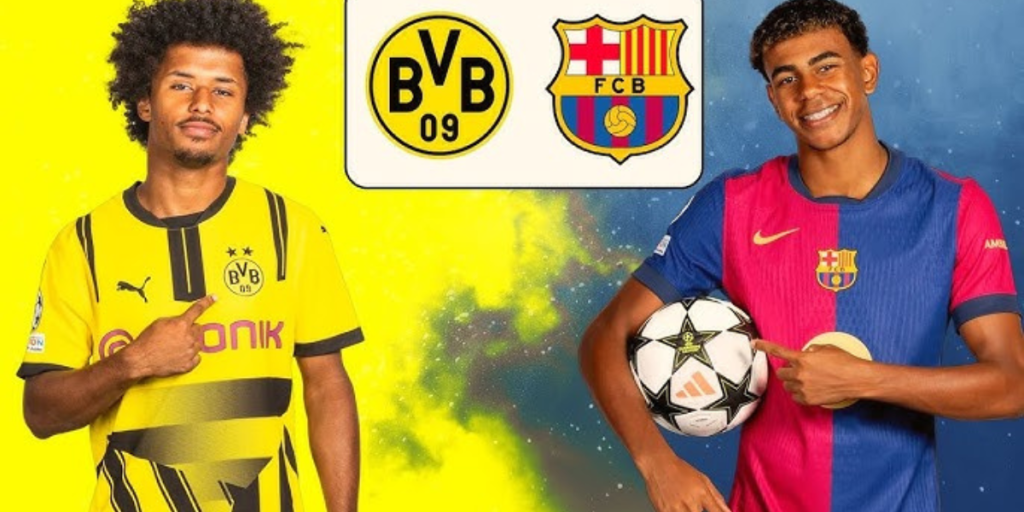
Aggregate Outcome and First-Leg Cushion
• Aggregate Score: Despite losing the second leg 3–1 away at Dortmund, Barcelona progressed to the semifinals with a 5–3 aggregate advantage thanks to a dominant 4–0 first-leg victory at home.
• First-Leg Imperative: The emphatic 4–0 result provided Barcelona with a critical cushion that ultimately insulated them from the threat of a dramatic comeback.
Second-Leg Highlights
• Early Pressure and Guirassy’s Impact:
– Dortmund came out strong. In the 11th minute, forward Serhou Guirassy converted a well-taken penalty, setting the tone for a vigorous display from the hosts.
– His aggressive approach continued as he scored again shortly after the restart, capitalizing on Barcelona’s defensive vulnerabilities.
• Defensive Lapses and the Own Goal:
– Barcelona’s high defensive line, which had served them well at home, was exposed under Dortmund’s relentless pressing.
– Ramy Bensebaini’s own goal midway through the second half provided a lifeline for the visitors by reducing Dortmund’s momentum.
• Guirassy’s Hat-Trick and Tactical Battle:
– In a dramatic turn of events, Guirassy completed his hat-trick in the 76th minute, demonstrating why he is emerging as one of Dortmund’s most influential players this season.
– Although his hat-trick almost suggested a potential historic turnaround from a team that was nearly 4–0 behind, the overall aggregate still favored the Blaugrana.
Tactical and Managerial Perspectives
• Dortmund’s Aggression vs. Barcelona’s Complacency:
– Dortmund employed high-intensity pressing and exploited the space behind the Barcelona defense. Their attacking impetus was evident in how they created multiple chances early on.
– However, the resilience built into Barcelona’s game plan from their first-leg victory meant that even a spirited comeback would not be enough unless they played flawlessly. • Post-Match Reflections:
– Barcelona coach Hansi Flick acknowledged that the performance in Dortmund was subpar compared to their domestic form. Despite the loss, he stressed that the aggregate result worked in their favor, although further refinement would be necessary for the semifinal stage.
– The match underscored how crucial it is to maintain discipline on the road, even when enjoying a significant aggregate lead.
Sources: theguardian.com; reuters.com; espn.com
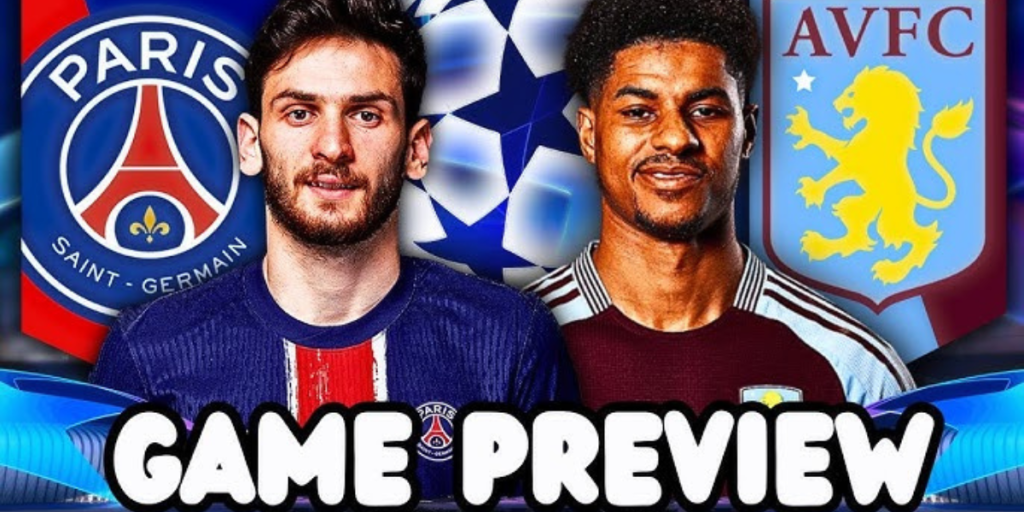
2. Aston Villa vs. Paris Saint-Germain
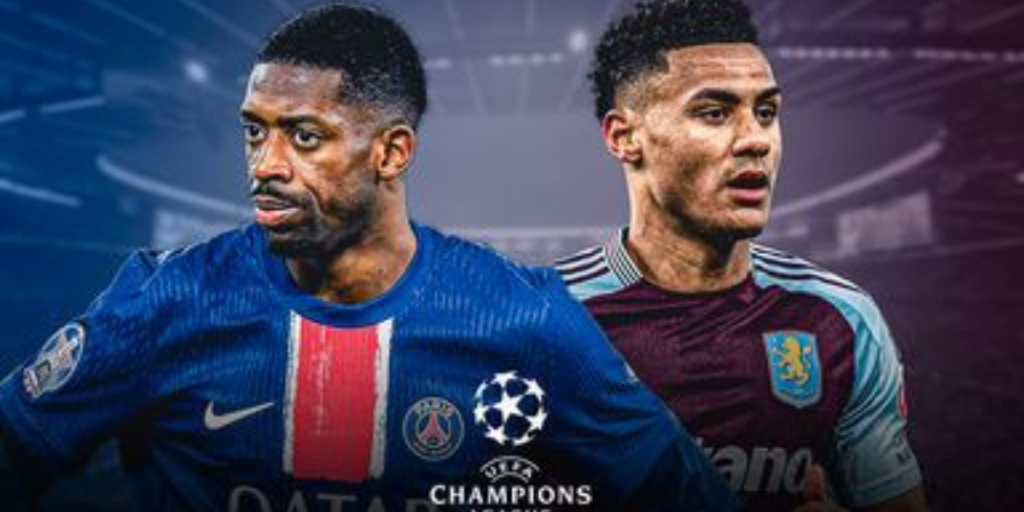
The Aggregate Story and Game Context
• Aggregate Score: Aston Villa managed a spirited 3–2 win in the second leg at Villa Park but fell short on aggregate, losing 5–4 to PSG.
• First-Leg Advantage: PSG had built a formidable lead in the first leg by winning 3–1, which meant Villa were chasing an uphill battle, needing a near-miraculous comeback at home.
Second-Leg Drama and Key Moments
• Early Setback for Villa:
– The match began with PSG establishing their intent. An early goal was recorded in the 11th minute by Achraf Hakimi—an example of PSG’s swift counterattacks that have troubled Villa throughout the contest.
• Villa’s Resilient Comeback:
– Despite the early setback, Villa’s determination shone through in the second half. They mounted a comeback featuring quick, incisive attacking moves and created several scoring opportunities.
– Goals from Villa’s frontline—sparking from a well-constructed move often involving contributions from John McGinn and Ezri Konsa—lifted the home crowd and showcased their fighting spirit.
• PSG’s Clinical Finishing:
– Even as Villa edged closer to overturning the deficit, PSG’s experience and composure under pressure ensured they maintained control. Late in the game, PSG’s ability to capitalize on Villa’s lapses in concentration ultimately proved decisive.
– Manager Luis Enrique emphasized that while Villa displayed admirable heart, PSG’s efficiency in front of goal was a decisive factor in preserving their aggregate advantage.
Tactical Battles and Managerial Insights
• Villa’s All-Out Attack vs. PSG’s Tactical Solidity:
– Villa, faced with the challenge of reducing a two-goal deficit, adopted an aggressive approach. Their willingness to commit numbers forward, however, exposed gaps at the back.
– PSG’s high-caliber full-backs and midfield discipline meant that counterattacks were handled efficiently, balancing the need to attack with necessary defensive security.
• Emotional Aftermath and Strategic Considerations:
– Unai Emery, Villa’s manager, was candid post-match in expressing both pride in his team’s remarkable resilience and disappointment over missed opportunities to level the tie.
– The match was a fitting reminder of how critical first-leg performances are in two-legged knockout encounters and how even spirited comebacks can fall short if the initial lead is too substantial.
Sources: theguardian.com; talksport.com; sports.yahoo.com
3. Implications and Next Steps
Barcelona’s Upcoming Challenge
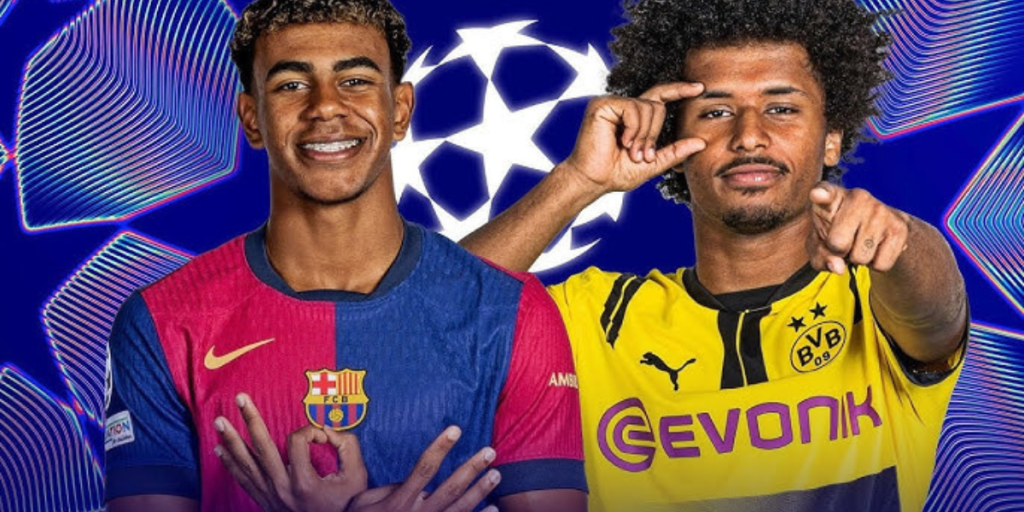
• Barcelona now advance to the semifinals for the first time since 2019.
• They face an uncertain draw between Inter Milan and Bayern Munich—a matchup where both tactical discipline and robust defensive strategies will be paramount.
• Manager Flick’s acknowledgment of the performance gap emphasizes the need for a more polished display to contend with teams capable of quick counterattacks.
PSG’s Path Forward
• PSG’s performance reinforces their status as one of Europe’s elite sides.
• Their efficiency in maintaining the aggregate lead ensures they progress, setting up a high-profile semifinal clash—potentially against a team like Arsenal (from other UEFA quarterfinal fixtures) or a yet-to-be-determined opponent from another tie.
• Luis Enrique’s confidence in his squad bodes well for tackling tougher opposition in the latter stages.
Broader Tactical Lessons
• These matches demonstrate the lasting influence of a first-leg result in knockout competitions, where an emphatic win can provide a safeguard against an unexpected loss in the reverse fixture.
• They also reveal how tactical choices—such as defensive line height and pressing intensity—can be double-edged swords, providing both attacking opportunities and leaving teams vulnerable if not properly managed.
Conclusion
Last night’s quarterfinal fixtures provided a masterclass in the drama and tactical complexity of European knockout football.
• Barcelona overcame an unsettling performance in Dortmund by relying on a massive first-leg lead, but the night also served as a wake-up call regarding vulnerabilities that could be exploited by elite adversaries in the semifinals.
• PSG showcased clinical precision, proving that experience and composure can effectively neutralize even an inspired, all-out challenge from a determined opposition like Aston Villa.
The outcomes of these games not only set up exciting semifinal matchups but also underscore the intricacies of two-legged ties, where every minute and tactical decision can be the difference between progression and elimination.