Table of Contents
- The Investigation and Its Stakes
- Background of the FBI, DEA, and FOIA Requests
- Understanding Glomar Responses and Judicial Rulings
- The Role of FOIA Requests in Exposing Past Investigations
- President Bola Ahmed Tinubu: Legal Implications and Political Fallout
- Media Coverage and Public Reaction
- International Implications and U.S.-Nigeria Relations
- Expert Analysis and Future Projections
- The Broader Political Landscape in Nigeria
- Conclusion: What Lies Ahead for President Bola Ahmed Tinubu
The Investigation and Its Stakes
In today’s climate where transparency and accountability are more crucial than ever, recent judicial decisions have mandated that the Federal Bureau of Investigation (FBI) and the Drug Enforcement Administration (DEA) release records related to investigations into allegations involving Nigeria’s leadership. In a landmark ruling, the United States Court for the District of Columbia ordered these agencies to respond to Freedom of Information Act (FOIA) requests without resorting to the evasive “Glomar response” that has long shielded sensitive records.
This order has significant implications, not only for those involved but also for global perceptions of political accountability. At the heart of the ensuing debate is the famed Nigerian leader: President Bola Ahmed Tinubu. His administration now faces renewed scrutiny as questions arise about his alleged involvement in historical drug trafficking investigations dating back to the early 1990s. This article examines the background, ramifications, and potential future impacts of these revelations on national and international levels.
Background of the FBI, DEA, and FOIA Requests
Historical Context of FBI and DEA Investigations
For decades, American law enforcement agencies have been pivotal players in the global fight against drug trafficking. In the early 1990s, a notorious heroin ring based in Chicago caught the attention of both the FBI and DEA. Investigative records from this period—now subject to public release—offer a window into international criminal networks and the extent of government oversight. These archives are valuable not only for historical research but also for shedding light on unresolved or misunderstood investigations.
The Role of FOIA Requests in Government Transparency
The Freedom of Information Act (FOIA) is a critical instrument in the United States that allows citizens, journalists, and researchers to request government records. Over the years, FOIA has helped expose significant information about domestic and international issues. However, its effectiveness is often challenged by certain agencies’ practice of issuing “Glomar responses.” These responses neither confirm nor deny the existence of requested records—posing a substantial barrier to transparency.
In 2022 and 2023, Aaron Greenspan—a notable figure and founder of PlainSite—filed FOIA requests pertaining to alleged investigations around President Bola Ahmed Tinubu and several other individuals. His requests aimed at uncovering details about a suspected Chicago heroin trafficking ring that allegedly had connections to prominent figures linked to Nigerian politics and business.
Channels Television and Its Role in Reporting
Channels Television, known for its in-depth coverage of political and international events, was among the first media outlets to report on the court’s decision. Their extensive report highlighted the lawsuit that challenged the Glomar responses provided by the FBI and DEA. This story rapidly garnered attention on multiple media channels, leading to debates across political, business, and social sectors.
Understanding Glomar Responses and Judicial Rulings
What Are Glomar Responses?
Government agencies sometimes use “Glomar responses” when responding to FOIA requests. In essence, these responses neither confirm nor deny the existence of the records in question. This practice is derived from a case in the 1970s involving the Hughes Glomar Explorer, a vessel constructed by the United States for a covert operation. The term “Glomar” remains a cornerstone in discussions about governmental transparency and accountability.
The Judicial Decision: A Breakthrough for FOIA Transparency
In an April 8, 2025 ruling, District Judge Beryl Howell of the United States Court for the District of Columbia took a significant stance by ordering the FBI and DEA to process any non-exempt records responsive to the FOIA requests. Judge Howell emphasized that the agencies had not provided sufficient evidence to justify the continued use of Glomar responses in the context of this investigation.
Specifically, Howell determined that the agencies had not demonstrated a “cognizable privacy interest” that would warrant keeping the records confidential. The ruling stated that any privacy interests implicated by these requests were outweighed by the public’s right to know. By lifting the protective veil of the Glomar response, the court has set a precedent that may influence future FOIA requests, particularly those involving high-profile cases.
The Legal Battle: Aaron Greenspan’s Lawsuit
Discontent with the evasive responses from the FBI and DEA prompted Aaron Greenspan to file a lawsuit. Greenspan argued that the agencies’ failure to provide adequate responses constituted an overreach in withholding records that were rightfully subject to public inquiry. His legal battle has now brought to the forefront critical questions about governmental accountability, transparency, and the balance between national security and the public interest.
The Role of FOIA Requests in Exposing Past Investigations
The Genesis of the FOIA Requests
The FOIA requests, initially filed in 2022 and 2023, sought to reveal details about investigations into a Chicago-based heroin trafficking ring allegedly linked to notable figures, including President Bola Ahmed Tinubu. With 12 requests directed at six different U.S. federal agencies—including the FBI, DEA, United States Department of State, CIA, IRS, and Executive Office of United States Attorneys (EOUSA)—the scope of inquiry was broad. Many of these agencies, however, relied on the Glomar response when addressing the requests.
The Relevance of Historical Records
The release of FBI and DEA records from the early 1990s is expected to offer significant insights into longstanding investigations. Researchers and legal experts believe that these documents could provide a fuller picture of international criminal networks and the extent of governmental oversight during that era. In turn, these revelations might clarify questions that have haunted political narratives and challenged allegations made against influential figures.
The Impact on Investigations of Political Figures
For President Bola Ahmed Tinubu, the FOIA requests and the subsequent judicial ruling pose a dual challenge: proving his innocence while addressing public concern over any association with criminal investigations. The records, now mandated for release, could potentially either corroborate or dispel allegations that have been used politically against him. This transparency carries the risk of both vindication and further complication for his administration.
President Bola Ahmed Tinubu: Legal Implications and Political Fallout
Direct References to President Bola Ahmed Tinubu
At the core of these revelations is the prominent mention of President Bola Ahmed Tinubu. The judge’s recent ruling has explicitly confirmed that both the FBI and DEA acknowledged conducting investigations that included his name. Although these reports did not lead to any indictment, the admission of an active investigation creates a complex narrative surrounding his political and personal legacy.
The Legal Implications for the Presidency
From a legal perspective, the exposure of investigative details presents several conundrums:
- Burden of Proof: The ruling suggests that there was insufficient evidence presented by the FBI and DEA to justify a sustained Glomar response. This could force agencies to disclose more detailed information, leaving the administration to address any lingering controversies.
- Potential Legal Vulnerabilities: While the released records may not directly implicate President Bola Ahmed Tinubu in criminal activities, they could invite further legal scrutiny or be used by political opponents to question his integrity and leadership.
- Case Precedent: The decision sets an important legal precedent regarding how FOIA requests are processed in cases involving high-profile figures. The outcome may influence future rulings on similar matters within the U.S. and internationally.
Political Fallout and Public Perception
The political fallout surrounding these revelations is multifaceted:
- Domestic Reactions: Within Nigeria, reactions have been mixed. While some constituents view the release of these records as a necessary step toward transparency, others see it as a potential threat to national pride and political stability.
- Political Debate: Politicians, analysts, and opinion leaders have weighed in on the significance of the allegations and the subsequent judicial actions. The debate often centers around whether the disclosures serve to reinforce suspicions or ultimately clear President Bola Ahmed Tinubu’s name.
- Impact on Governance: As the public and media dissect the details of the released records, the government may need to engage in damage control measures. The timing of these revelations—amid broader political challenges—could influence both domestic policy and international relations.
Internal Response: Presidential Spokesperson’s View
In response to the court’s decision, presidential spokesman Bayo Onanuga took to social media, stating that “there is nothing new to be revealed” and reaffirming that the previously released reports had been in the public domain for decades. His remarks underlined a firm stance that the disclosures would not alter the legal or political status quo, though legal experts argue that the symbolic admission by the FBI and DEA carries far-reaching implications.
Media Coverage and Public Reaction
Channels Television’s Breaking Coverage
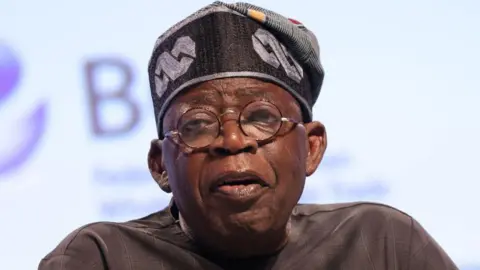
Channels Television has been at the forefront of reporting this news, offering a clear timeline of events and a detailed account of the judicial proceedings. Their coverage has been pivotal in informing the public about the intricacies of the case, the nature of the FOIA requests, and the subsequent rulings. With an emphasis on factual reporting, Channels Television has maintained a balanced perspective, highlighting both the legal details and the broader political context.
Social Media Buzz and Public Forums
Social media platforms have witnessed a surge of discussions, debates, and reactions following the court’s ruling. Here are several facets of the media response:
- Twitter and Facebook Discussions: These platforms have become arenas for heated debates among politically engaged citizens. Hashtags such as #TinubuInvestigation and #FOIATransparency have trended, with commentators voicing a range of opinions from outright support for government transparency to staunch defense of national leadership.
- Blog Posts and Opinion Pieces: Numerous blogs and independent websites have published detailed analytical articles. These pieces delve into the historical context of the FOIA requests, explore the technicalities of Glomar responses, and speculate on potential impacts for President Bola Ahmed Tinubu’s political future.
- Televised Panel Discussions: Political talk shows and panel discussions on major networks have featured legal experts and political analysts dissecting the ruling. These discussions have played an important role in clarifying the complex legal terms and highlighting the possible long-term ramifications of the investigation.
The Role of Traditional and Online Media in Shaping Public Opinion
In the modern era, the interplay between traditional media (such as television and newspapers) and online digital platforms has intensified. While established news organizations provide authoritative fact-checking and comprehensive reports, online platforms democratize the conversation by allowing everyday citizens to share their viewpoints. Together, these media channels ensure that the public remains informed, though sometimes at the cost of polarized opinions and sensationalism.
International Implications and U.S.-Nigeria Relations
Diplomatic Nuances and Global Perception
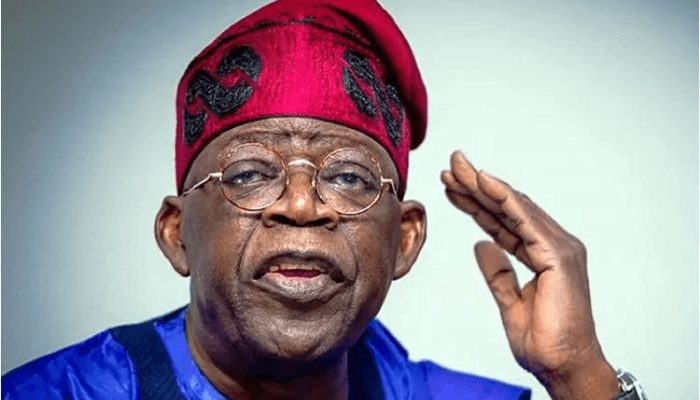
The investigation—and its ensuing fallout—extends beyond Nigerian borders. As the FBI and DEA are U.S. federal agencies, their release of records concerning a foreign political figure has international diplomatic implications. Countries around the world, particularly in West Africa, will be watching closely, as this development could have consequences for bilateral relations and global diplomatic standing.
U.S. Government’s Perspective
The decision to mandate the disclosure of records underscores a commitment to the principles of transparency and accountability within the United States. U.S. officials may view this ruling as a reaffirmation of democratic values, even though it involves sensitive matters related to international figures. In balancing national security concerns with public interest, the U.S. government is sending a clear message that no official or political figure is immune from scrutiny.
Implications for Nigeria’s International Image
For Nigeria, a country already grappling with diverse political challenges, the disclosure of these records serves as a double-edged sword:
- Positive Aspects: Transparent disclosure of records may enhance Nigeria’s international image by demonstrating a commitment to accountability and due process.
- Negative Aspects: Conversely, persistent allegations, regardless of their proven factual basis, might reinforce negative stereotypes or fuel political rivalries on the global stage.
The Role of International Media
International news outlets are expected to cover this story extensively. The unfolding narrative is likely to be a focal point in discussions regarding corruption, political accountability, and international cooperation in combating drug trafficking. As journalists from around the globe dissect both the legal and political dimensions of the ruling, their analyses will significantly influence how these events are perceived worldwide.
Expert Analysis and Future Projections
Legal Experts Weigh In
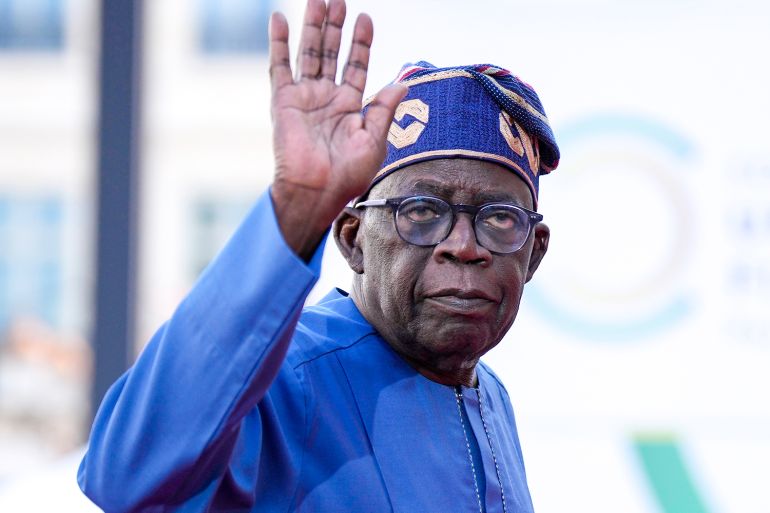
A number of legal scholars have provided expert commentary on the implications of the ruling:
- Analytical Insights: Legal experts emphasize that the rejection of the Glomar responses is not an outright indictment of any individual. Instead, it is a reinforcement of the principle that governmental secrecy must be balanced against the public’s right to know.
- Future Legal Precedents: Many predict that this case could set a precedent for how future FOIA requests are handled, especially when they relate to investigations involving international figures. The release of detailed records could spur more legal challenges in other cases, ultimately leading to broader policy changes within U.S. federal agencies.
Political Analysts’ Perspectives
Political analysts have noted that while the records may not directly implicate President Bola Ahmed Tinubu in any criminal activity, the judicial acknowledgement of his name in the context of a drug trafficking investigation could have significant symbolic repercussions:
- Electoral Implications: With upcoming elections and political shifts both in Nigeria and internationally, the timing of these revelations is critical. Critics argue that opponents may leverage these disclosures during campaign periods to question the integrity and credibility of the current administration.
- Policy Impact: The investigations and their subsequent disclosures could push for reforms in how international inquiries and FOIA requests are managed. Policy debates may arise regarding the balance between transparency, national security, and individual privacy rights.
Projections for the Future
Looking ahead, several scenarios are possible:
- Complete Record Disclosure: Should the FBI and DEA fully comply with the judicial ruling, a wealth of information could be made publicly available. This transparency may either clear lingering suspicions about President Bola Ahmed Tinubu or provide ammunition for political adversaries.
- Strategic Legal Maneuvering: There is also the possibility of continued legal battles. If subsequent challenges arise, the discourse on privacy, security, and the public’s right to know is likely to intensify.
- Impact on U.S. Policy: Finally, the ruling may contribute to changes in the interpretation of FOIA guidelines by U.S. agencies, leading to fewer instances of Glomar responses in the future.
The Broader Political Landscape in Nigeria
A Divided Political Climate
Nigeria’s political environment has long been characterized by complex power dynamics and intense rivalries. The release of FBI and DEA records touches on several key issues:
- Political Partisanship: Different political factions in Nigeria are likely to interpret the releases in varied ways. Some see it as a vindication of anti-corruption efforts, while others might claim that it is an attempt to undermine the current government.
- Public Trust: The revelations challenge the public’s trust in both domestic and international institutions. As citizens debate the implications of the investigation, questions arise about how best to hold powerful figures accountable without compromising national stability.
- Impact on Governance: For President Bola Ahmed Tinubu’s administration, this is a pivotal moment. The administration must carefully navigate these turbulent waters, addressing public concerns while maintaining political legitimacy.
Reactions from Political Leaders and Influencers
In the wake of the ruling, several Nigerian political leaders and influencers have weighed in:
- Supportive Voices: Proponents of transparency and reform have welcomed the decision. They argue that it demonstrates the strength of democratic institutions and reinforces the commitment to accountability, even when dealing with high-ranking officials.
- Critical Perspectives: On the other hand, critics have questioned the timing and underlying motives of the FOIA requests. Some suggest that these moves could be politically motivated, aiming to destabilize the current power structure.
- Impact on Policy Debate: The discussion has also led to calls for comprehensive reforms in Nigeria’s own transparency laws. If the U.S. agencies can be compelled to release long-held records, similar mechanisms might be advocated locally to combat corruption and enhance governmental accountability.
The Role of Civil Society
Civil society organizations in Nigeria have also taken a keen interest:
- Advocacy for Transparency: Many non-governmental organizations (NGOs) and grassroots movements view the disclosure of these records as a victory for transparency. They are likely to use the information to push for policy reforms and to educate the public on the importance of accountability.
- Public Forums and Discussions: Town hall meetings, webinars, and community discussions have been organized by civic groups, fostering a more informed dialogue on both national governance and international legal processes.
What Lies Ahead for President Bola Ahmed Tinubu
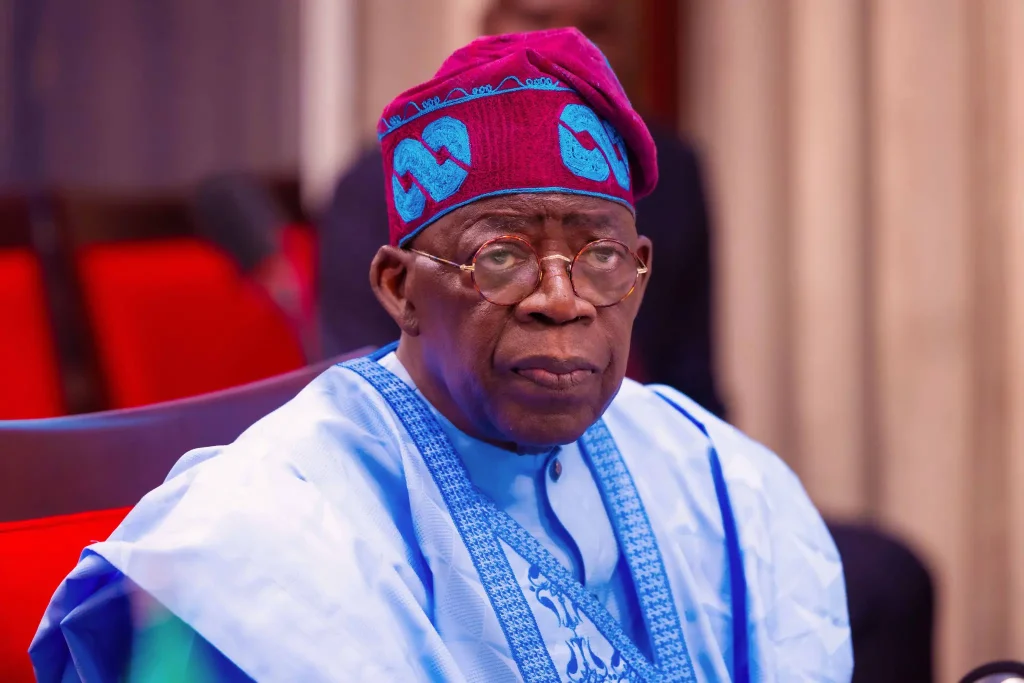
As the FBI and DEA prepare to release the requested records, the unfolding story continues to captivate global attention. The judicial ruling not only reinforces the public’s right to transparency but also places a spotlight on the intricate legal and political challenges facing Nigeria’s administration. For President Bola Ahmed Tinubu, whose name has now been inextricably linked with these investigative proceedings, the coming months could prove to be a defining period—one that will either cement his legacy or lead to continued scrutiny and political debate.
In many ways, this case symbolizes the broader struggle between secrecy and accountability—a tension that is central to modern governance. The legacy of these investigations, and the ensuing legal precedents, may well influence not just the immediate political landscape, but also the future of governmental transparency worldwide.
By examining every angle—from the historical context of early 1990s drug investigations and the evolution of FOIA requests to the diplomatic implications for U.S.-Nigeria relations—this article has sought to provide an in-depth perspective on the complex saga of the FBI and DEA reports. As additional records are released and more details emerge, analysts, political leaders, and the general public will need to navigate an increasingly intricate narrative. What remains clear is that this development will leave a lasting imprint on how governments, media, and citizens view the balance between national security, public transparency, and political accountability.
With each new twist in this ongoing saga, the scrutiny of President Bola Ahmed Tinubu is likely to intensify. Ultimately, the interplay between legal mandates and political maneuvering will shape not only the future of his administration but also the broader principles of transparency and accountability in an era defined by both challenges and opportunities.